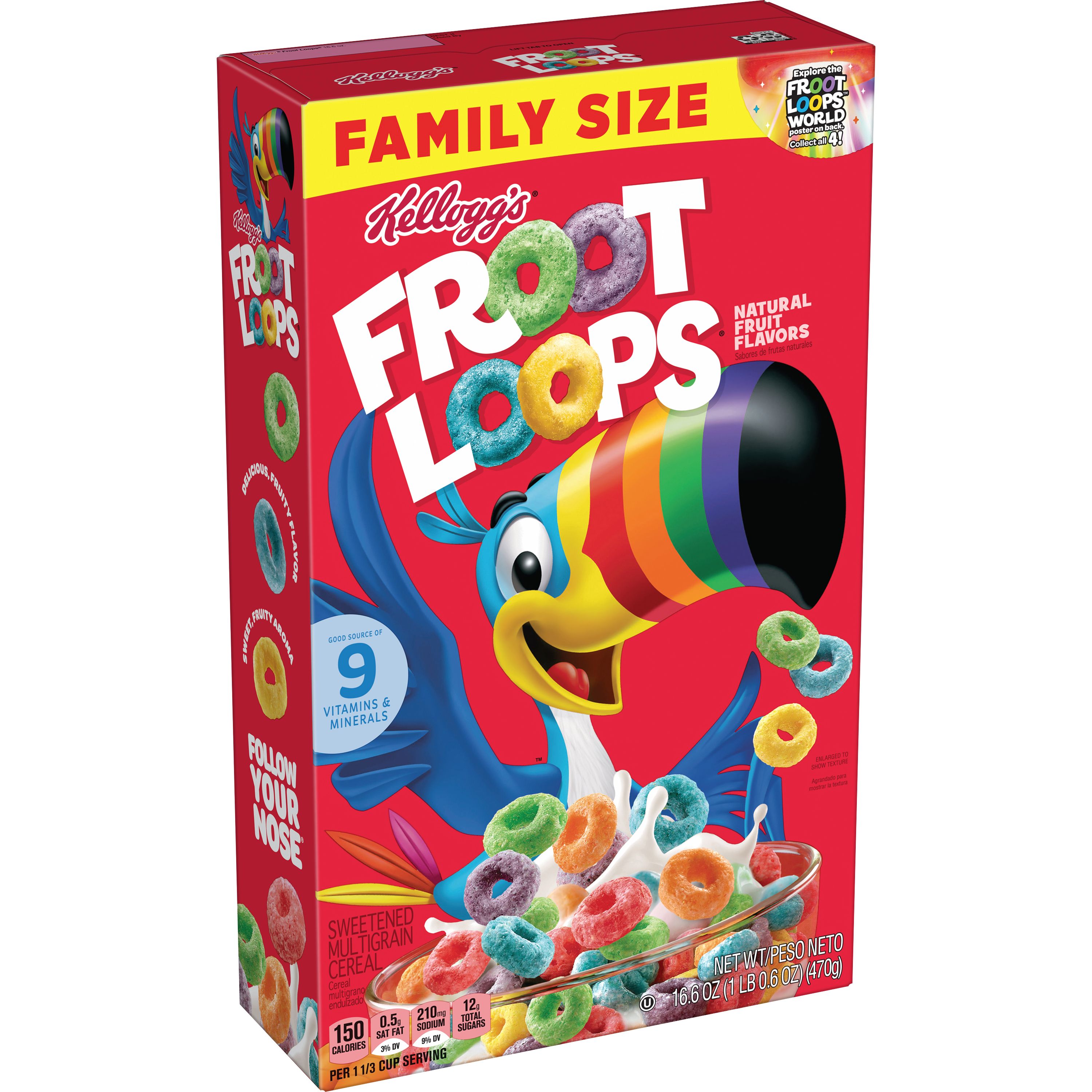
Stand in any American cereal aisle and you will see it: the toucan, the rainbow loops, the box that looks like it glows under the fluorescent lights. Froot Loops. It has looked more or less the same since 1963.
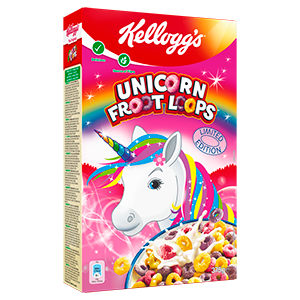
Now fly to London. Walk into a Tesco. Find the cereal aisle. There it is again — the toucan, the loops — except the box says Fruit Loops, not Froot Loops. One letter different. You pick it up, flip it over, and read the ingredient list.
It is not the same cereal.
What everybody assumes
The conventional wisdom is simple: a global brand makes one product and ships it everywhere. Maybe the language on the box changes. Maybe the nutrition panel follows local rules. But the food inside? The same.
That assumption is wrong, and Froot Loops is the clearest proof of it. The American box and the British box share a toucan and almost nothing else.
The two labels
Here is what is printed on the American box, taken from the manufacturer's own official ingredient disclosure:
Corn flour blend (whole grain yellow corn flour, degerminated yellow corn flour), sugar, wheat flour, whole grain oat flour, modified food starch, contains 2% or less of vegetable oil (hydrogenated coconut, soybean and/or cottonseed), oat fiber, maltodextrin, salt, soluble corn fiber, natural flavor, red 40, yellow 5, blue 1, yellow 6, BHT for freshness. Vitamins and Minerals: Vitamin C (ascorbic acid), reduced iron, niacinamide, vitamin B6 (pyridoxine hydrochloride), vitamin B2 (riboflavin), vitamin B1 (thiamin hydrochloride), folic acid, vitamin D3, vitamin B12.
— WK Kellogg Co, official SmartLabel disclosure, read October 2026. Source
And here is the British box — the Unicorn limited edition currently sold in the UK, from Tesco's product listing:
Cereal flours (78%) (wheat, oat, maize), sugar, glucose syrup, salt, fruit and vegetable concentrates (carrot, cherry, radish), natural citrus flavouring with other natural flavourings, colour (carotenes).
— Tesco UK product listing for Kellogg's Froot Loop Unicorns, read October 2026. Listed as "Free From Artificial Colours / Free From Artificial Flavours." Source
Read them again. The American version contains four synthetic dyes — Red 40, Yellow 5, Blue 1, Yellow 6 — and the synthetic preservative BHT. The British version contains none of them. Where America uses petroleum-derived colors, Britain uses carrot, cherry, radish, and carotenes.
This is not a rumor or a social media claim. Both lists come from the manufacturers' own official pages, read directly.
Why the colors matter
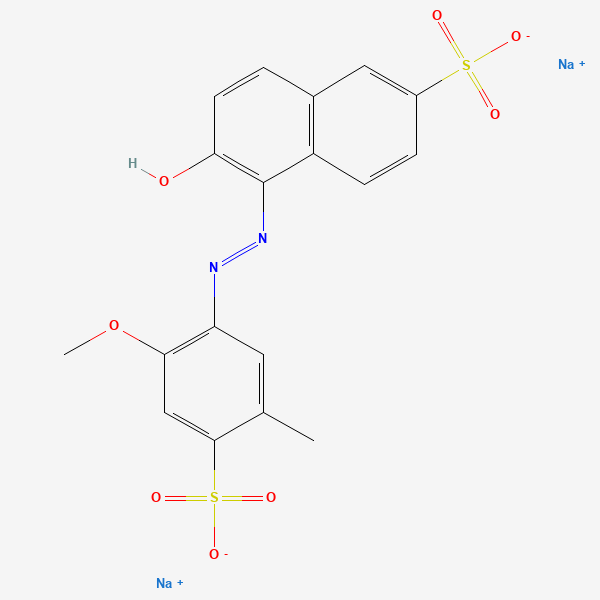
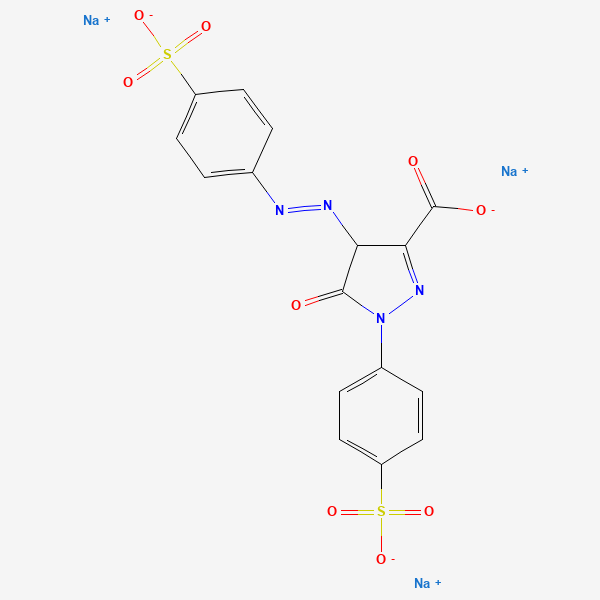
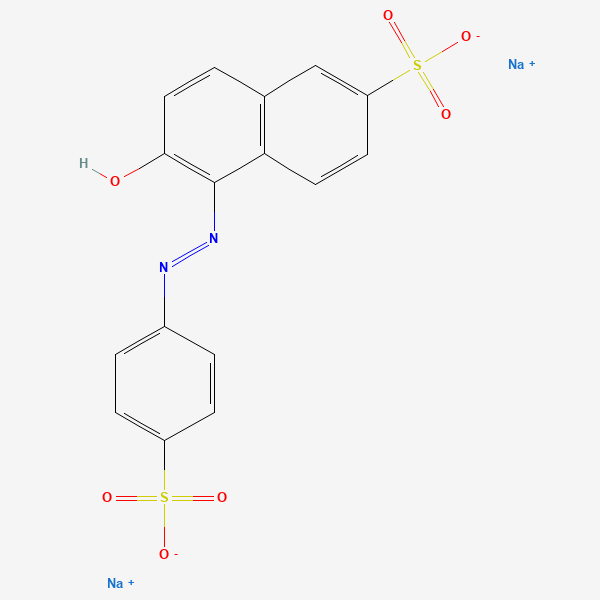
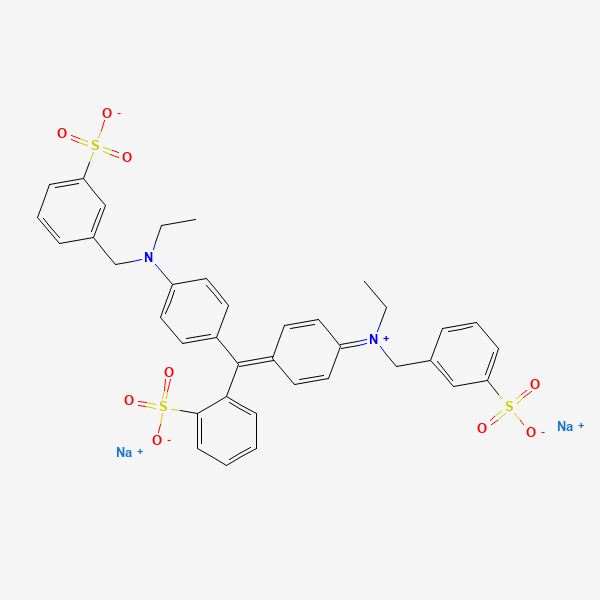
Molecular structures: PubChem, National Institutes of Health.
The four dyes do one job: they make the loops rainbow-colored. Red 40 makes red. Yellow 5 and Yellow 6 make yellow and orange. Blue 1 makes blue and, mixed, green and purple. Without them, you do not get Froot Loops as Americans know them.
The British version proves the point. When Kellogg's first brought the cereal to the UK in 2012, it could not reproduce the full rainbow with plant-derived colors — the launch version shipped with only orange, green, and purple loops. No red, no yellow, no blue. The company itself acknowledged the formulations differ "due to European legislation."
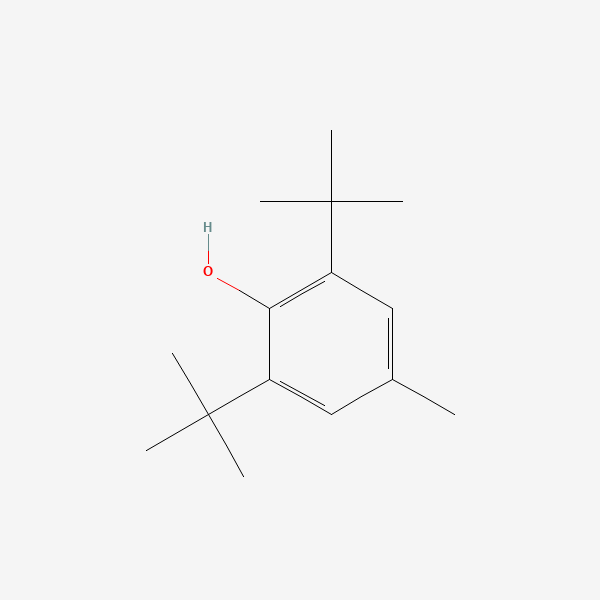
BHT plays a different role. It is an antioxidant preservative, listed on the American box as "BHT for freshness" — it keeps the fats and oils in the cereal from going rancid. The British version does not use it.
What the regulators say
This is where the story gets interesting, because the two systems do not disagree about the science as much as people think. They disagree about what to do about it.
In the United States, all four dyes are legal food colors, each with its own section of the Code of Federal Regulations: Red 40 at 21 CFR 74.340, Yellow 5 at 21 CFR 74.705, Blue 1 at 21 CFR 74.101, Yellow 6 at 21 CFR 74.706. BHT is "generally recognized as safe" under 21 CFR 182.3173. None of this is secret; it is all published federal regulation.
But the American position is moving. In April 2025, the Department of Health and Human Services and the FDA announced a national initiative to phase out all petroleum-based synthetic dyes, working with industry to eliminate the six widely used dyes — including all four in Froot Loops — by the end of 2026. The mechanism is voluntary: an "understanding" with manufacturers, not a ban. (HHS press release; FDA press release)
In the European Union, here is the part most American coverage gets wrong: these dyes are not banned. They are permitted food additives. What the EU requires — under Regulation (EC) No 1333/2008, Annex V — is that any food containing them carry a warning label: "may have an adverse effect on activity and attention in children." (Regulation text)
That warning traces back to a 2007 study published in The Lancet, in which researchers at the University of Southampton ran a randomized, double-blinded, placebo-controlled trial and found that mixtures of certain artificial colors plus the preservative sodium benzoate increased average hyperactivity in 3-year-old and 8/9-year-old children from the general population. (University of Southampton summary) The European Food Safety Authority reviewed the study and declined to change its safety limits, noting the trial tested mixtures — so effects could not be attributed to any single color. But the warning-label requirement stayed.
So the real contrast is this: in Europe, a parent buying a product with these dyes is warned on the package. In America, no warning is required at all. The same chemicals, two different philosophies about what the shopper deserves to know.
The objections, answered first
"The EU banned these dyes." No. This is the most repeated false claim in the American debate, and it matters because it is checkable. The EU permits Red 40 (E129), Yellow 5 (E102), Yellow 6 (E110), and Blue 1 (E133) — it requires the warning label. If anyone tells you otherwise, ask them to cite the regulation. They cannot, because it does not exist.
"The EU banned BHT, that's why it's missing." Also no. BHT is permitted in the EU as antioxidant E321 under the same additives framework. Its absence from British Fruit Loops is the manufacturer's choice, not a regulatory requirement. Do not let anyone — including us — imply otherwise.
"The products are identical except for the dyes." Not quite. The grain base, sugar, and salt levels differ too, per the company's own statements. The dyes are the most visible difference, not the only one.
"This comparison will be outdated soon." True, and that is the most important caveat in this article. WK Kellogg Co has announced it will eliminate artificial colors from its entire US cereal line by the end of 2026 — and the SmartLabel page we cite is a snapshot of what is on shelves now. This comparison has an expiry date. We are documenting the present, not predicting the future.
"Kellogg's is one company." Not anymore. Since the 2023 split, US cereal is sold by WK Kellogg Co and the UK product by Kellanova (now owned by Mars). Two companies, two recipes — and only one of them still needs synthetic dyes to make the rainbow.
The fifteen years
Here is the timeline, with nothing added and nothing taken away:
2007. The Southampton study is published in The Lancet. Artificial colors plus sodium benzoate, tested against placebo, increase hyperactivity in children.
2010. The European Union requires every food containing these dyes to warn parents on the package: "may have an adverse effect on activity and attention in children." The same companies selling dyed cereal in America reformulate for Europe.
2012. Kellogg's proves it can make Froot Loops without synthetic dyes — the British version launches with plant-derived colors. Limited-edition variants (Unicorn, Mermaid) follow in later years, all free from artificial colors.
2025. The United States announces it will begin phasing out petroleum-based dyes. Voluntarily. With industry cooperation. Eighteen years after the study. Fifteen years after Europe warned its parents.
We are not pointing at anybody. These are the facts, and the facts tell you something about how the system works — not how you assumed it works.
Most of us grew up trusting that if something is on the shelf, someone checked it. That if a chemical were a problem, someone would have pulled it, or at least warned us. That is a reasonable thing to believe. It is also, as this timeline shows, not how it works.
In America, a food dye can stay on shelves for decades while another continent warns its parents about it. A company can prove it knows how to make the product without the dye — and keep selling the dyed version here anyway. A phase-out can be announced as "voluntary," which means nobody is required to do anything, and the timeline is whatever the industry agrees to.
That is not an accusation against any person. It is how the system is built. And once you see it, you cannot unsee it — not just in cereal, but in everything else on the shelf.
What it means
Two boxes. Same bird. One contains four synthetic dyes and a synthetic preservative; the other contains carrot, blackcurrant, and carotenes. Both are legal where they are sold. Both companies complied with their local rules.
The question is not whether anyone broke the law. The question is what you think a shopper deserves to know — and whether "legal" and "identical" are the same thing. They are not.
Our goal is to educate and make you aware — you make the decision.
Sources
- US ingredient list: WK Kellogg Co SmartLabel — smartlabel.wkkellogg.com
- UK ingredient list: Kellogg's UK — kelloggs.co.uk
- UK retailer confirmation ("Free From Artificial Colours"): Tesco
- FDA color additive regulatory status: FDA
- HHS dye phase-out announcement (Apr 2025): hhs.gov
- FDA dye phase-out announcement (Apr 2025): fda.gov
- FDA industry pledge tracker: fda.gov
- EU Regulation 1333/2008 (warning label requirement): eur-lex.europa.eu
- EFSA refined exposure assessment, Allura Red (2015): EFSA Journal
- Southampton study summary (Lancet 2007): University of Southampton
- WK Kellogg reformulation announcement (2026): PR Newswire
Two Labels is a Consumer Rising series. One product, two countries, both ingredient lists, every claim sourced. Next installment: candy.